

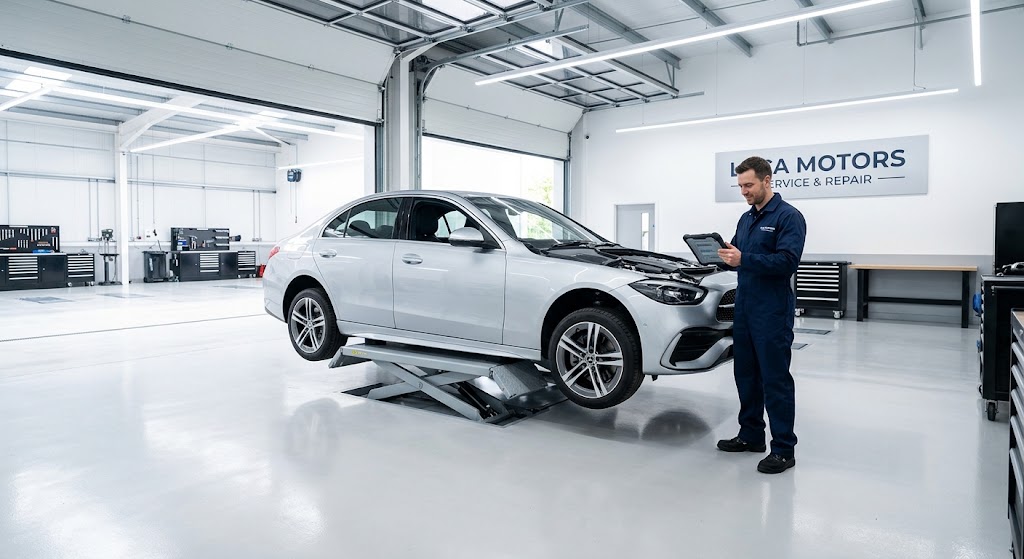
At a glance: A useful maintenance plan follows the vehicle’s schedule, records completed work and addresses new symptoms between services. The exact service items vary by model and condition.
Car maintenance is easier to manage when you know what is due and why. Instead of waiting for a warning light or breakdown, scheduled servicing helps keep routine items current and creates opportunities to check developing wear.
Luca Motors in Alphington can help you discuss the next service and any concerns you have noticed. Your vehicle details, current kilometres and previous service records provide the starting point for deciding the appropriate work.
What does routine car maintenance involve?
Maintenance combines replacing items due under the manufacturer’s schedule with inspecting the vehicle’s condition. It is more than changing the oil, but it does not mean every component must be replaced at every visit.
Each system has its own requirements. An oil filter, cabin filter, brake fluid and timing belt, where fitted, can all have different service needs. A clear record helps avoid both missed maintenance and unnecessary repeat work.
Common service and maintenance checks
Engine oil and oil filter
When an oil service is due, the engine needs oil meeting its specified requirements and a suitable filter. Oil helps lubricate internal components, while the filter captures contaminants circulating through the system.
The correct specification should be established from the vehicle information. A familiar brand name or matching viscosity does not necessarily tell the whole story.
Brake condition
Routine checks may include visible pad and disc wear, hoses, fluid and accessible components. Any noise, pulling or changed pedal response should be reported separately because it may require further assessment.
Brake parts are replaced according to condition and relevant requirements, not simply because the vehicle has reached a generic distance. If braking becomes unsafe, stop safely and seek assistance.
Tyres and wheels
Pressure, tread condition, visible damage and uneven wear are all useful checks. Correct pressures depend on the vehicle and load, so use its placard or handbook rather than the maximum figure on a tyre’s sidewall.
Uneven wear may point to alignment, steering or suspension issues. Replacing a tyre without addressing the cause can leave the same pattern developing again.
Battery and charging concerns
Battery inspection and appropriate testing can help assess starting reliability. Slow cranking or repeated discharge should also prompt checks of connections and charging operation as required.
A battery can be discharged for reasons other than deterioration. Testing helps determine whether replacement is needed or another issue needs attention.
Fluid levels and condition
Relevant fluids include coolant, brake fluid, washer fluid and other products used by the systems fitted to the car. Each must suit its application, and some levels require a particular checking procedure.
Repeated loss should be investigated. A top-up restores a level but does not explain a leak or other fault. Coolant should never be checked by opening a hot pressurised system.
Air filters and other scheduled components
The engine air filter helps keep contaminants from the intake, while a cabin filter serves the ventilation system. Inspection and replacement follow the schedule and condition. Belts, hoses, spark plugs and other components have their own vehicle-specific requirements.
Signs your car needs attention between services
Do not wait for the next scheduled visit if a new concern appears. Arrange advice for warning lights, unusual noises, persistent leaks, rough running or difficult starting. Changes in braking, steering and vibration are also important.
A sustained increase in fuel consumption can be relevant, especially if the vehicle is otherwise being used in the same way. Record any associated hesitation, warning message or change in performance.
Overheating, an oil-pressure warning or a serious loss of braking or control needs a safe stop and prompt assistance. Routine maintenance cannot substitute for investigating an urgent fault.
How often should maintenance be scheduled?
Follow the schedule for your exact model and engine, including time-based and kilometre-based requirements. Some items are due at different visits, and particular conditions of use may change the applicable schedule.
Frequent short trips, towing, dusty conditions and extended storage are worth mentioning when discussing maintenance. A low annual distance does not remove time-based requirements.
If you have recently bought the vehicle or its history is incomplete, bring the records available. The workshop can identify known work and discuss what still needs checking.
How preventative maintenance helps
Maintaining scheduled items and checking condition can reduce some avoidable wear. Finding a deteriorated hose or worn brake component early may also help limit additional damage.
However, maintenance cannot guarantee lower repair bills or prevent every breakdown. Its practical value is keeping required work current and giving you clearer information about the vehicle’s condition.
Car maintenance FAQs
What is the difference between servicing and repairs?
Servicing attends to scheduled maintenance and checks. Repairs address a fault or worn component identified through inspection or testing. A visit may involve both if the scope is discussed and agreed.
Does every service include a diagnostic scan?
Not necessarily. A warning light or running concern may need a separate assessment. Mention symptoms before the appointment so the appropriate work can be planned.
Can maintenance improve fuel economy?
It may help when a maintenance issue or fault was increasing consumption. Traffic, load, tyres and driving habits also affect fuel use.
What should I keep after a service?
Keep the invoice and service record, including any findings and deferred recommendations. They provide useful context for future maintenance and fault finding.
Book your next service in Alphington
Our basic car service guide explains common inclusions. To discuss your vehicle, contact Luca Motors at 164 Grange Rd, Alphington VIC 3078, on 03 9499 6203 or enquire online.